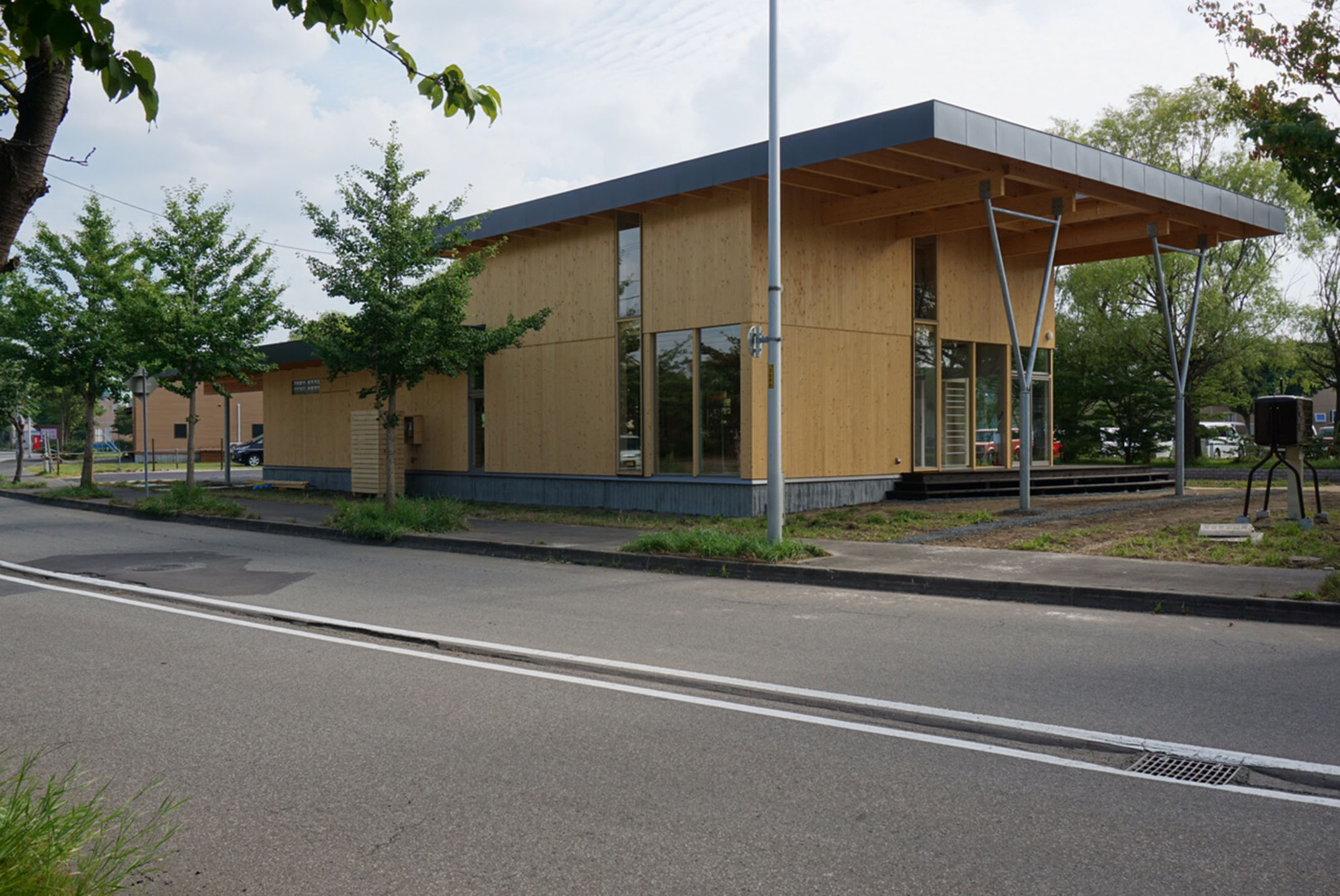
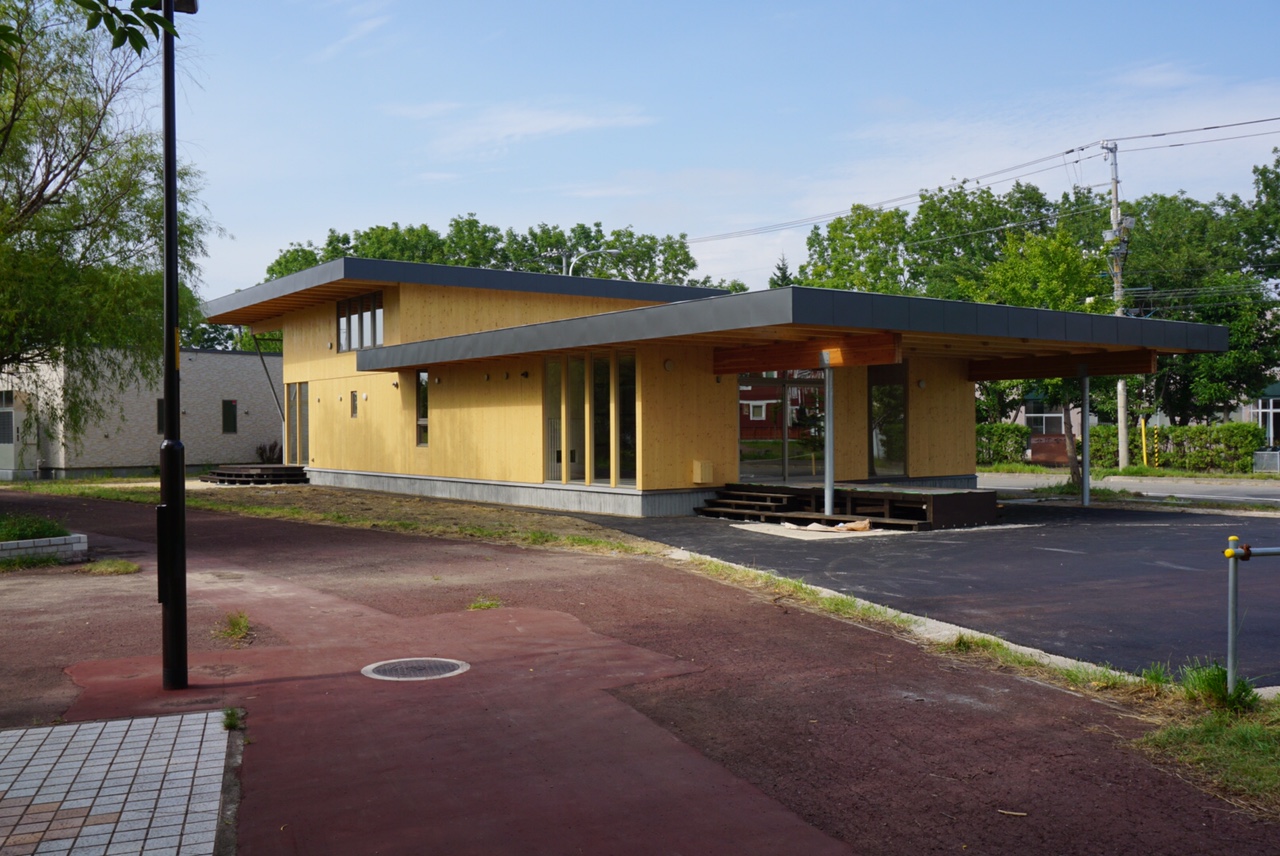
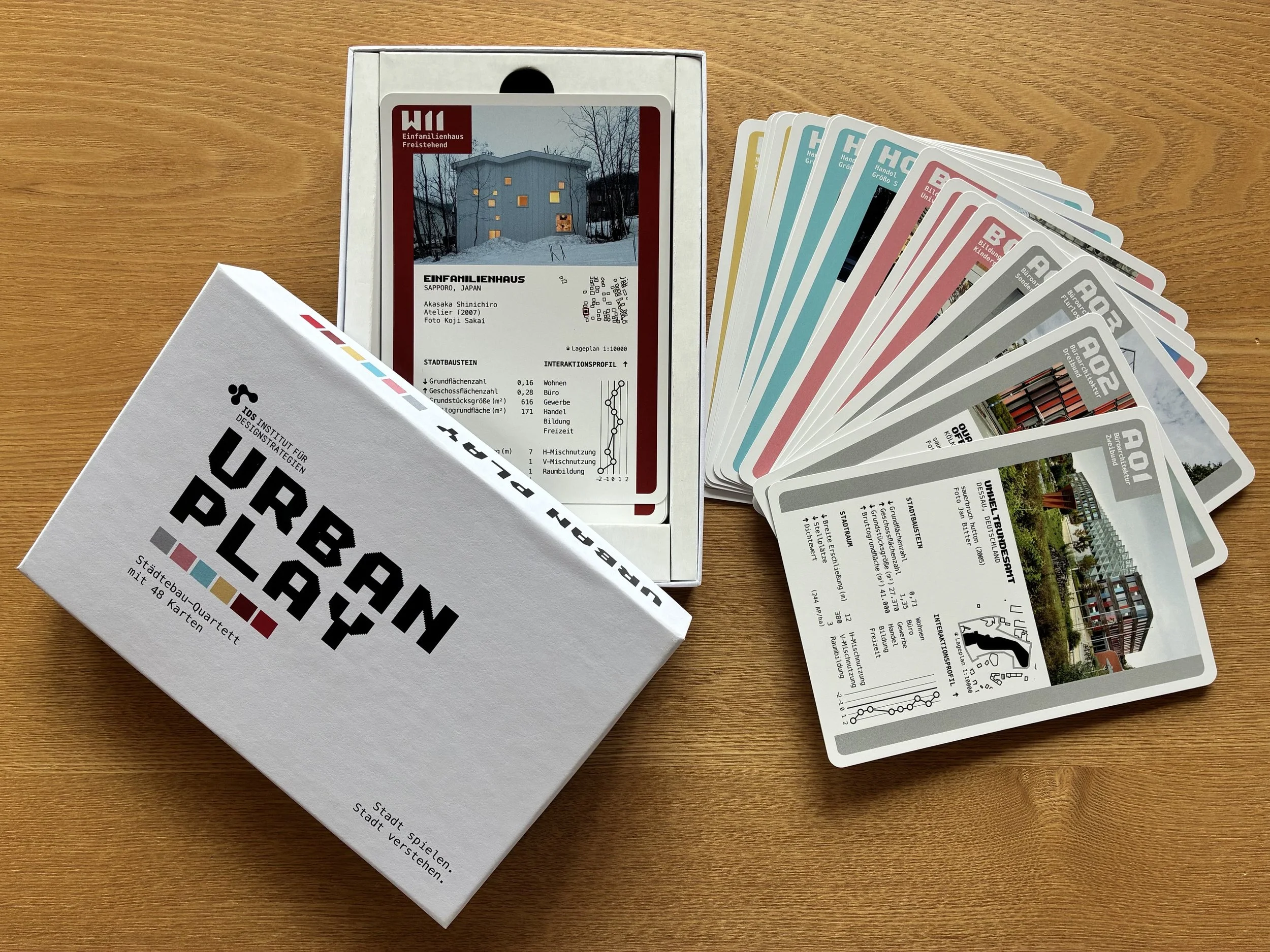
「オレセン・ノイエ」が、ドイツのオストウェストフェレン・リッペ応用科学大学(TH OWL) のデザイン戦略研究所(IDS)により開発された都市計画・建築に関するプロジェクト「URBAN PLAY」(カードゲーム)に採用されました。
日本ではカードゲームというと、子どもの遊びや特定の愛好家のためのもの、というイメージを持つ方もいるかもしれません。しかし欧州、特にドイツでは、カードゲームやボードゲームは世代を問わず親しまれる、とても身近な文化なのだそうです。
家族や友人が同じテーブルを囲み、会話をしながらゲームを楽しむ。そこには、単に勝ち負けを競うだけではなく、人が集まり、時間を共有するための「社交の道具」としての役割があります。デジタル機器に囲まれて暮らす現代だからこそ、画面から離れ、カードや駒を手に取りながら人と向き合う時間も、あらためて魅力を増しているように感じます。
また、ドイツを中心に発展してきたゲームには、大人も夢中になれる戦略性があります。運だけでは決まらず、かといって経験者だけが勝つわけでもない。ルールは比較的シンプルでありながら、遊ぶたびに展開が変わり、何度でも楽しめる。その奥深さも、長く愛されている理由のひとつだと思います。実際、我が家でも小学生の娘と、ドイツ生まれの人気カードゲーム「ニムト」を時々プレイします。覚えるのは簡単なのですが、相手の動きを読みながらカードを出していくと、なかなか奥が深く、大人も子どもも一緒になって楽しめます。何度遊んでも同じ展開にならず、飽きることがありません。
建築もまた、人の暮らしや時間のなかに入り込み、誰かの記憶の一部になっていくものだと思います。今回、私たちが設計した建築が、こうした欧州の豊かなゲーム文化のなかに一枚のカードとして登場し、遠く離れた場所で誰かの手に取られることを、とても嬉しく感じています。
“Olesen House” Featured in URBAN PLAY
“Olesen House” has been selected for URBAN PLAY, a card game exploring urban planning and architecture developed by the Institute for Design Strategies (IDS) at OWL University of Applied Sciences and Arts (TH OWL) in Germany.
In Japan, card games are sometimes associated primarily with children or dedicated enthusiasts. In Europe, however—and particularly in Germany—card and board games are said to be a familiar part of everyday culture, enjoyed by people of all generations.
Family and friends gather around the same table, talking and spending time together as they play. Beyond simply winning or losing, games serve as a social medium—a way for people to come together and share time. Perhaps precisely because we now live surrounded by digital devices, there is renewed appeal in stepping away from screens, picking up cards or game pieces, and engaging with one another face to face.
Many games developed in Germany also offer a level of strategy that keeps adults engaged. Outcomes are not determined by luck alone, nor do experienced players necessarily have the advantage. The rules may be relatively simple, yet each game unfolds differently, making them enjoyable again and again. This depth and replayability may be one reason they have remained so widely loved.
At home, I sometimes play the popular German card game 6 nimmt! with my elementary-school-aged daughter. The rules are easy to learn, but once you begin anticipating the other player’s moves and deciding which card to play, the game reveals surprising depth. Adults and children can enjoy it together, and no two games ever unfold in quite the same way.
Architecture, too, becomes part of people’s lives and the time they spend within it, eventually finding a place in someone’s memories. We are delighted that a building we designed has now become a card within this rich European gaming culture—and that somewhere far away, someone may pick it up in their hands.